Products

311 Washington Street, 6B, Jersey City, NJ 07302

Indiqube Omega, Brookefield, Bengaluru, KA 560037


© 2026 Binocs, Inc. All rights reserved.
Use a desktop for a better experience
Niche Logistics Providers (Final-Mile for Heavy Goods)
The U.S. final-mile logistics industry for heavy goods delivers bulky, high-value items to homes and businesses, offering specialized, white-glove services for e-commerce and manufacturers.
Industry Overview
Industry Overview
Industry Segments
Industry Segments overview
| Industry Segment | Overview | Products/Services Offered | Key Players |
|---|---|---|---|
E-commerce Heavy Goods Logistics | Final-mile delivery of large, bulky items (e.g., furniture, appliances) purchased via online platforms. High growth driven by e-commerce adoption. | Scheduled home delivery, threshold/room-of-choice delivery, in-home placement, basic assembly, tracking, returns management. | J.B. Hunt Final Mile, Select Express & Logistics, Metropolitan Warehouse, Pilot Freight Services, XPO Logistics, Ryder Last Mile. Recent update (2025): Amazon Logistics and UPS are expanding their heavy goods delivery segments, leveraging their large national networks and advanced tracking systems[4][5]. XPO Logistics continues to be a major player, earning about $1 billion annually from final mile (about 6% of its revenue). J.B. Hunt has expanded its reach, now within 150 miles of 98% of the U.S. population, with over $500 million annual revenue from final mile services (2024 data)[2]. |
Specialized Heavy Goods Delivery | Delivery of oversized, high-value, or sensitive items requiring special handling (e.g., medical equipment, fitness machines). | Custom crating, liftgate service, white-glove handling, installation, technical setup, secure transport, time-definite delivery, insurance. | Pilot Freight Services, Metropolitan Warehouse, Select Express & Logistics, SEKO Logistics, CEVA Logistics, CRST Specialized Transportation, TForce Final Mile |
Residential Heavy Goods Delivery | Delivery and in-home placement of heavy goods to residential customers, often requiring scheduling and assembly. | In-home delivery, threshold/room-of-choice delivery, assembly, installation, haul-away of old items, debris removal, appointment scheduling. | J.B. Hunt Final Mile, Select Express & Logistics, Metropolitan Warehouse, Ryder Last Mile, XPO Logistics, RXO Last Mile |
Reverse Logistics for Heavy Goods | Management of returns, exchanges, and disposal of heavy goods from end-customers back to retailers or manufacturers. | Pickup, inspection, refurbishment, recycling/disposal, restocking, reverse transportation. | Select Express & Logistics, Pilot Freight Services, Metropolitan Warehouse, XPO Logistics, Optoro, GEODIS |
Commercial Heavy Goods Delivery | Final-mile delivery of heavy goods to commercial locations (e.g., offices, retail, hospitality), often requiring project-based logistics. | Scheduled delivery, inside delivery, installation, after-hours service, project-based logistics. | J.B. Hunt Final Mile, Pilot Freight Services, Metropolitan Warehouse, CEVA Logistics, Ryder Last Mile |
White-Glove Services | Premium delivery and installation services for heavy goods, emphasizing customer experience and care. | Unpacking, in-home setup, assembly, installation, product demonstration, debris removal, post-delivery support, removal of packaging. | Select Express & Logistics, Metropolitan Warehouse, J.B. Hunt Final Mile, Pilot Freight Services, XPO Logistics |
Industry Market Size
Summary of Market Size Estimation
Competitive Landscape
Market Map
| Competitor | E-commerce Heavy Goods | Specialized Heavy Goods | Residential Heavy Goods | Reverse Logistics | Commercial Heavy Goods | White-Glove Services | Commentary |
|---|---|---|---|---|---|---|---|
J.B. Hunt Final Mile | Yes | Yes | Yes | Yes | Yes | Yes | Market leader with national reach; strong in e-commerce, residential, and white-glove; premium and enterprise focus. (2025) |
XPO Inc. | Yes | Yes | Yes | Yes | Yes | Yes | Major player; robust technology, strong in e-commerce, commercial, and white-glove; broad U.S. coverage. (2025) |
C H Robinson Worldwide Inc. | Yes | Yes | Yes | Yes | Yes | No | Large 3PL; strong in B2B, e-commerce, and commercial; less focus on white-glove. (2025) |
Ryder Last Mile | Yes | Yes | Yes | Yes | Yes | Yes | Emphasis on technology-driven solutions, white-glove, and reverse logistics; strong in residential and commercial. (2025) |
Werner Enterprises Inc. | Yes | Yes | Yes | No | Yes | No | Expanding final-mile; focus on e-commerce and commercial; limited in white-glove and reverse logistics. (2025) |
FedEx Corp. | Yes | Yes | Yes | Yes | Yes | Yes | Extensive national network; strong in e-commerce, reverse logistics, and white-glove; premium and SMB focus. (2025) |
DSV AS | Yes | Yes | Yes | Yes | Yes | Yes | Global reach; strong in commercial, e-commerce, and white-glove; enterprise focus. (2025) |
Pilot Freight Services | Yes | Yes | Yes | Yes | Yes | Yes | Leading private player; strong in e-commerce, white-glove, and reverse logistics. (2025) |
Metropolitan Warehouse | Yes | Yes | Yes | No | Yes | Yes | Specializes in white-glove and residential; strong in furniture and heavy goods. (2025) |
SEKO Logistics | Yes | Yes | Yes | Yes | Yes | Yes | Tech-driven; strong in e-commerce, reverse, and white-glove; global reach. (2025) |
Fidelitone | Yes | Yes | Yes | Yes | Yes | Yes | Focus on residential, e-commerce, and white-glove; strong in reverse logistics. (2025) |
Select Express & Logistics | Yes | Yes | Yes | No | Yes | Yes | Niche focus on white-glove, residential, and commercial; strong in furniture/appliances. (2025) |
Competitor SWOT
SWOT Analysis
| Company Name | Strengths | Weaknesses | Opportunities | Threats |
|---|---|---|---|---|
DSV AS |
|
|
|
|
XPO Inc. |
|
|
|
|
FedEx Corp. |
|
|
|
|
Ryder Last Mile |
|
|
|
|
J.B. Hunt Final Mile |
|
|
|
|
Werner Enterprises Inc. |
|
|
|
|
C H Robinson Worldwide Inc. |
|
|
|
|
Fidelitone |
|
|
|
|
SEKO Logistics |
|
|
|
|
Metropolitan Warehouse |
|
|
|
|
Pilot Freight Services |
|
|
|
|
Select Express & Logistics |
|
|
|
|
Industry Trends and Descriptions
| Trend | Description |
|---|---|
| Technological Advancements | Rapid progress in genome editing, cell-free systems, and automated synthetic biology platforms is driving breakthroughs in research. |
| Sustainability Focus | Growing demand for eco-friendly bio-based products is pushing companies to develop sustainable manufacturing processes. |
| Regulatory Evolution | Evolving biosafety and biosecurity regulations are shaping R&D investment priorities and market entry strategies. |
| AI & Data Integration | Machine learning and bioinformatics are accelerating drug discovery, crop engineering, and industrial bioprocess optimization. |

Cybersecurity Compliance-as-a-Service offers outsourced expertise and tools to help regulated industries manage cyber risks, ensure data protection and meet evolving security regulations.

Vertical SaaS for regulated industries offers tailored cloud solutions that address compliance, security and automation needs in sectors like finance, healthcare, legal and biotech.
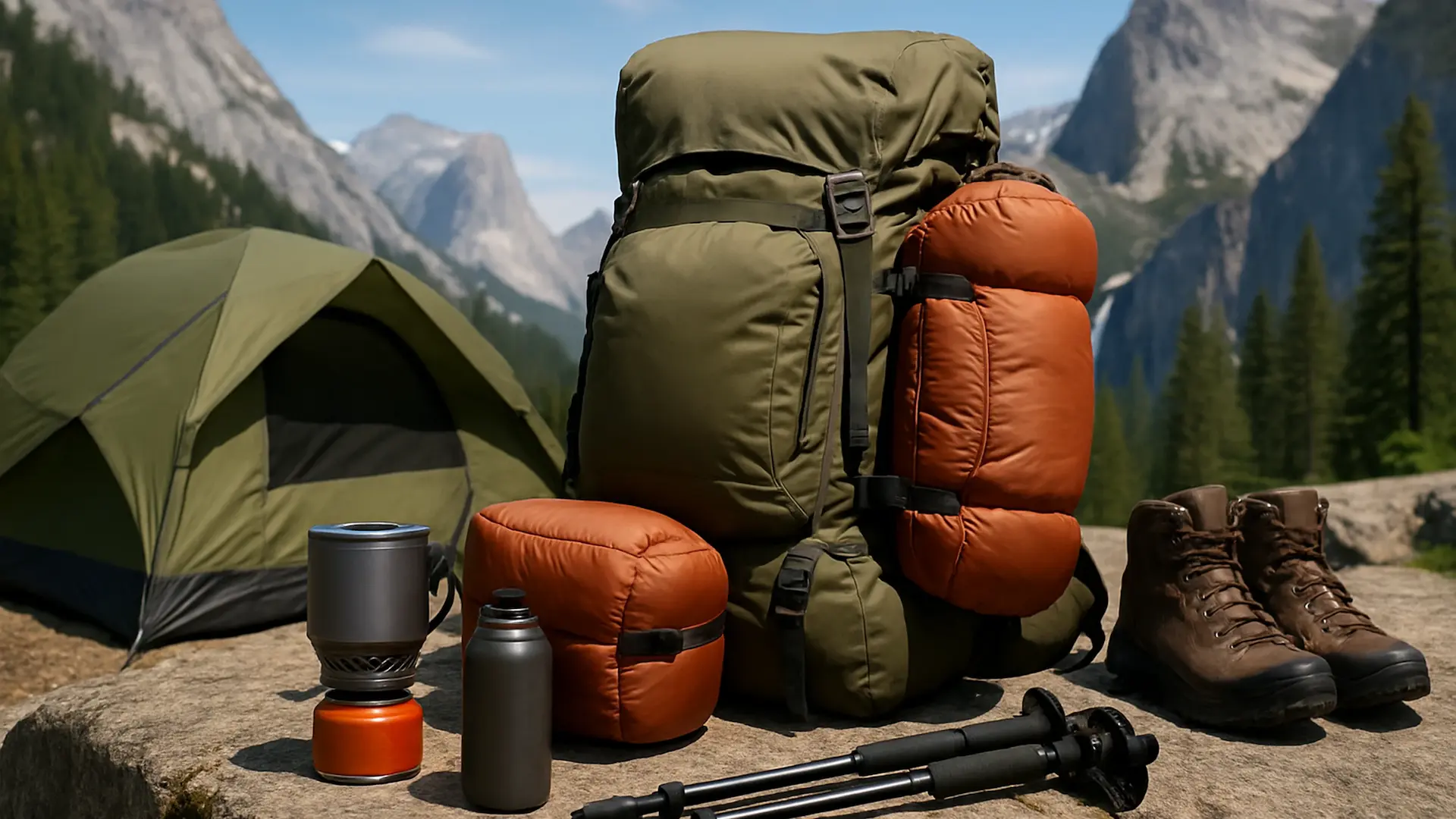
The Premium Outdoor Recreation Gear industry offers high-performance, eco-conscious equipment and apparel for activities like hiking, climbing and water sports, blending innovation with lifestyle appeal.

Boutique Fitness & Wellness Franchises offer personalized, community-driven workouts like yoga, pilates and spin, focusing on immersive experiences and upscale, service-oriented environments.
311 Washington Street, 6B, Jersey City, NJ 07302
Indiqube Omega, Brookefield, Bengaluru, KA 560037
© 2026 Binocs, Inc. All rights reserved.